
Geobag
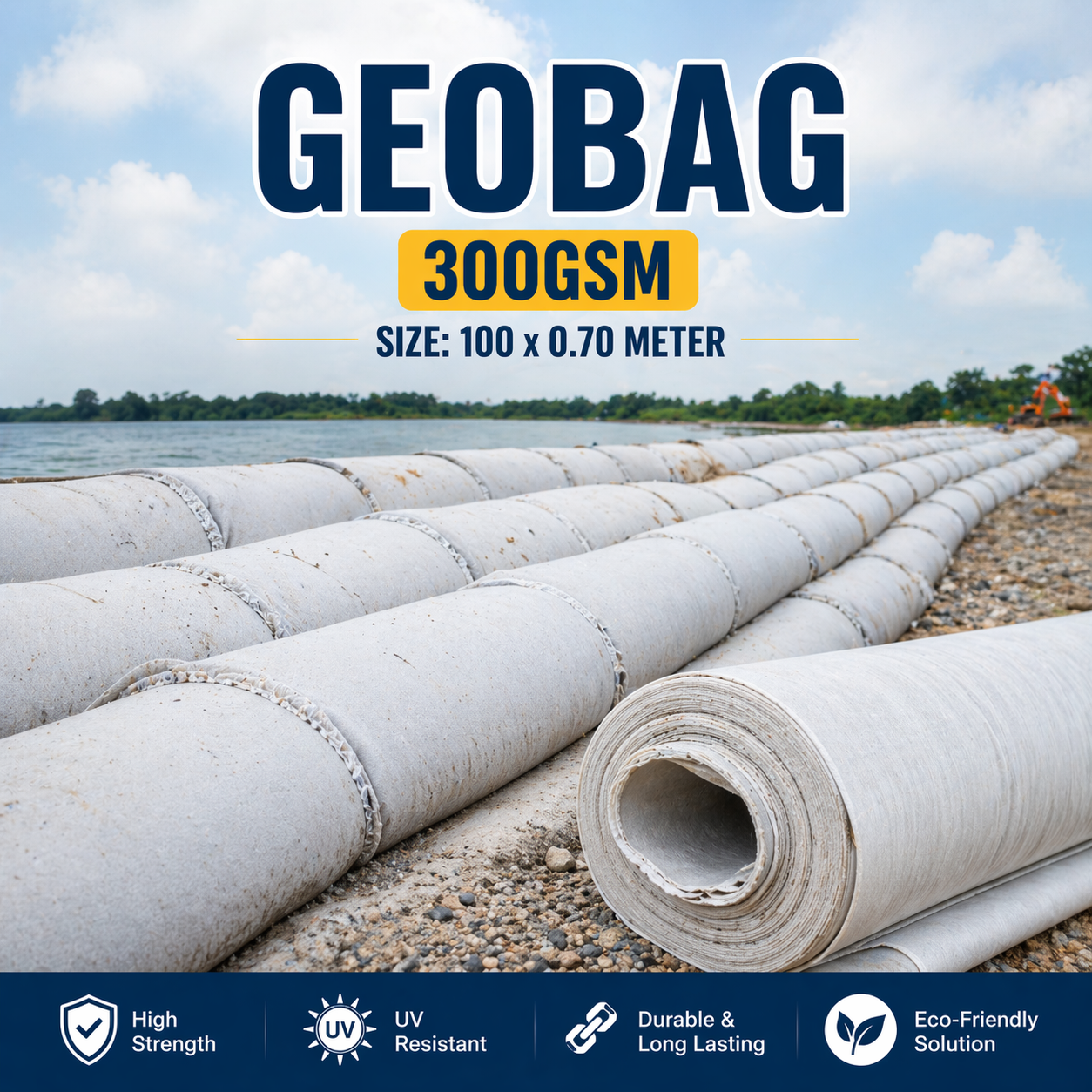
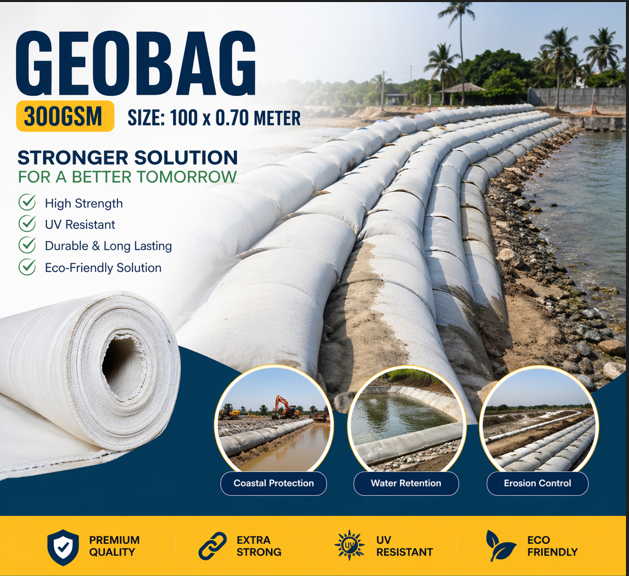
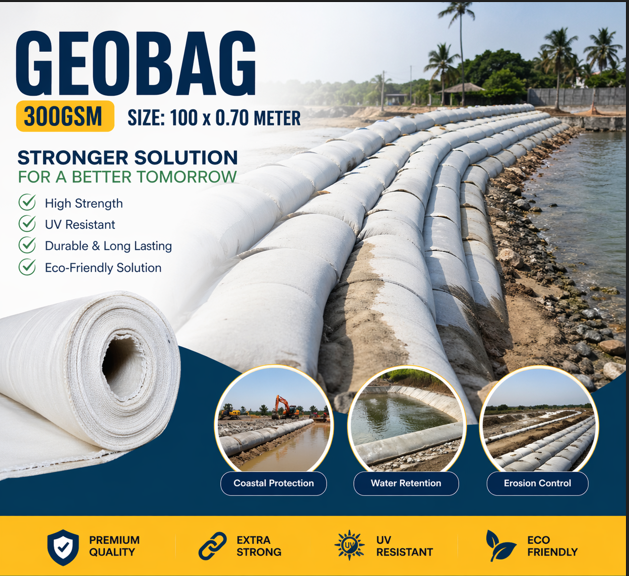
A geobag, or geotextile bag, is a versatile geosynthetic container made from high-strength, permeable fabric—typically polypropylene (PP) or polyester (PET). These bags are filled with local materials like sand or soil to create durable structural units used primarily for erosion control, shoreline protection, and slope stabilization
Common Applications
- Coastal Protection: Acting as flexible "armor," geobags absorb wave energy and protect shorelines from abrasion.
- Riverbank Stabilization: They reinforce banks to prevent collapse during high water levels and seasonal flooding.
- Dewatering: Specialized geobags are used in mining and wastewater management to filter water out of sludge, leaving solid waste behind for easier disposal.
- Retaining Walls: Stacked in tiered patterns, they serve as an alternative to expensive concrete walls for road and hillside protection.
Advantages Over Traditional Methods
- Cost-Effectiveness: Since they can be filled with locally available sand or soil, transportation costs are significantly lower than importing heavy rocks or concrete.
- Rapid Installation: Geobags can be deployed quickly with minimal heavy machinery, making them ideal for emergency flood control.
- Flexibility: Unlike rigid concrete, geobag structures can adapt to ground settlement and uneven terrain without cracking.
- Environmental Friendliness: They have a lower carbon footprint, allow for natural water flow, and can be vegetated to restore local habitats.