
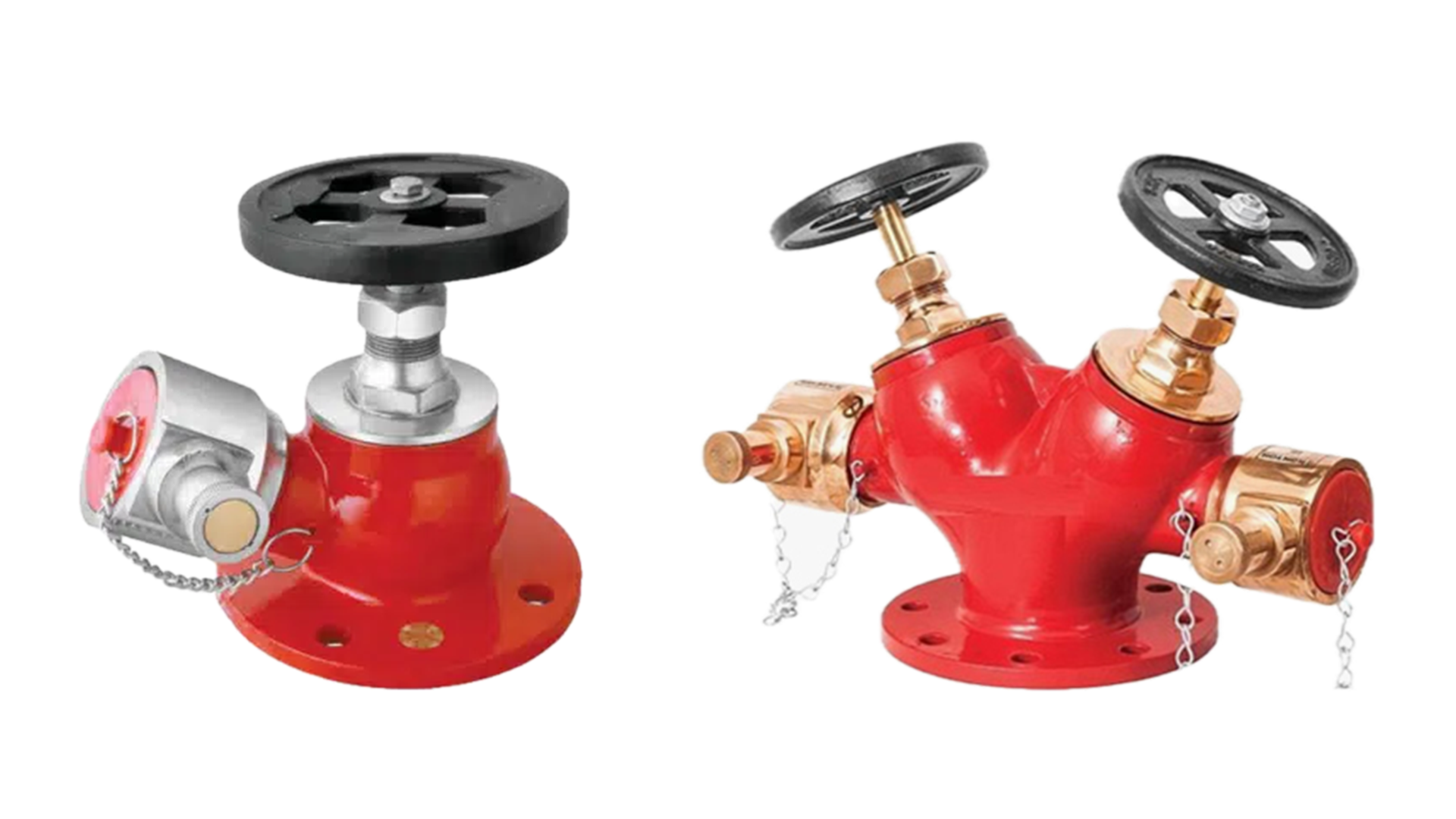
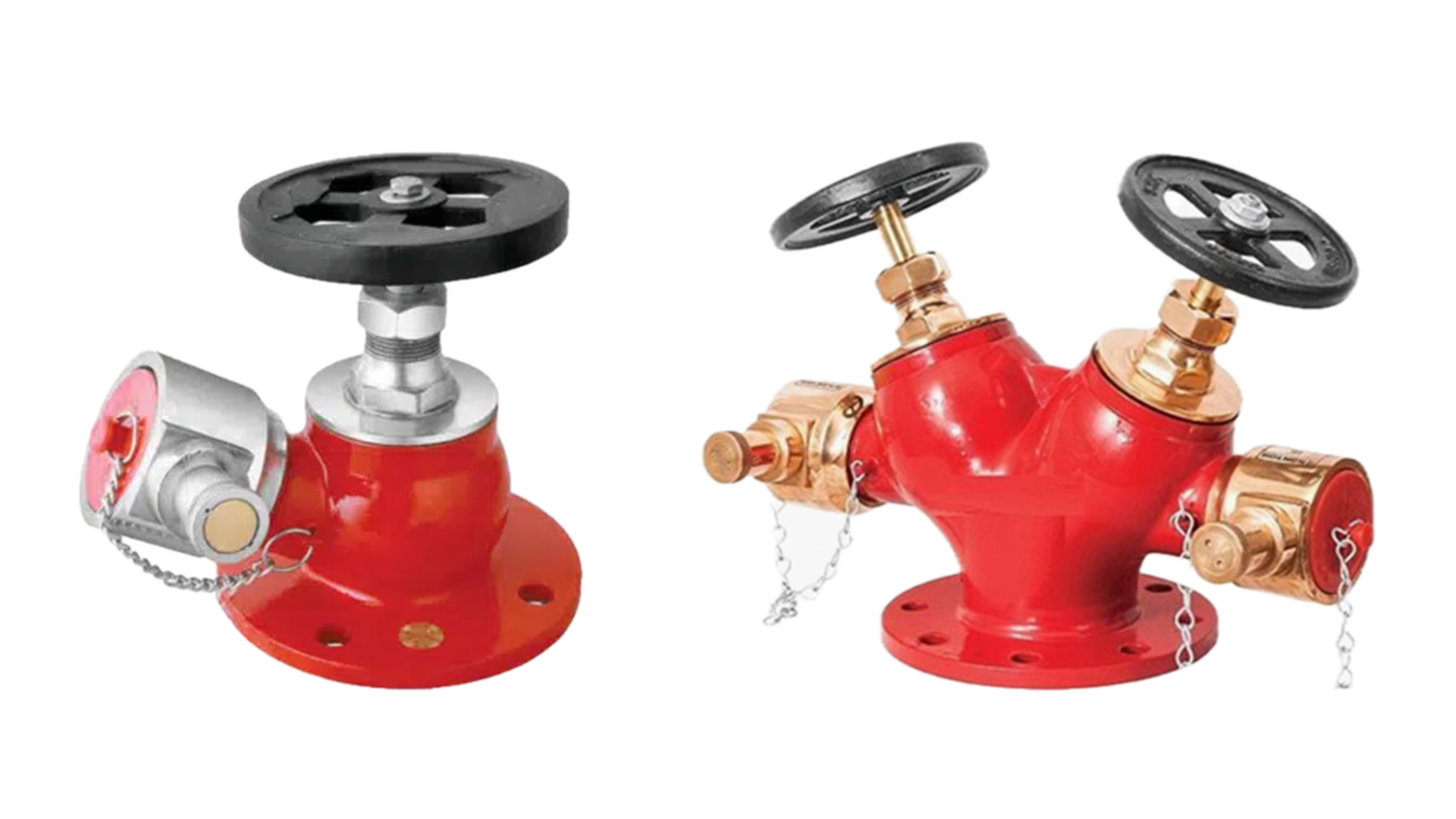
Fire Hydrants
Fire hydrants are vital,, municipal, infrastructure, components, connected to water mains that provide, ,high-volume, water, to firefighters for, extinguishing, fires. They are generally classified as either "wet barrel" (filled in warmer climates) or "dry barrel" (drained in freezing climates to prevent bursting). Identified by yellow plates with an 'H', they typically feature multiple, color-coded, outlets, for,, quick hose, connection.
Key Aspects of Fire Hydrants
- Function: Act as a, valve, to access pressurized, water, from underground pipes.
- Types:
- Dry Barrel: The valve is located below the frost line, allowing the barrel to remain dry when not in use to prevent freezing.
- Wet Barrel: Always filled with water, used in warmer climates.
- Identification: Often marked by yellow, plates on nearby, structures, featuring a, black 'H' and, numbers, indicating the, water main, size and distance to the, hydrant.
- Maintenance: Regularly, tested and, flushed, by, firefighters to, ensure, proper flow, and, remove sediment.
- Accessibility: Must remain, unobstructed, by, vehicles or, debris to, ensure, immediate access, in, emergencies.
Color Coding
While standards vary, hydrant, caps, or, bodies are, often painted, to indicate their, flow capacity:
While standards vary, hydrant, caps, or, bodies are, often painted, to indicate their, flow capacity:
- Blue/Green: High capacity.
- Orange: Medium capacity.
- Red: Low capacity.