.jpeg)
.jpeg)
.jpeg)
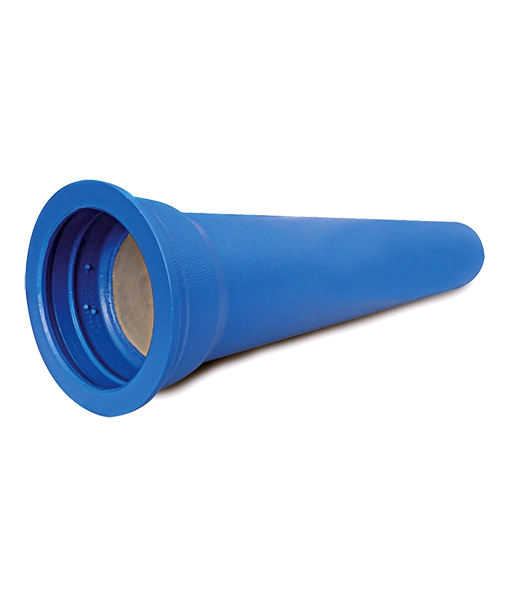
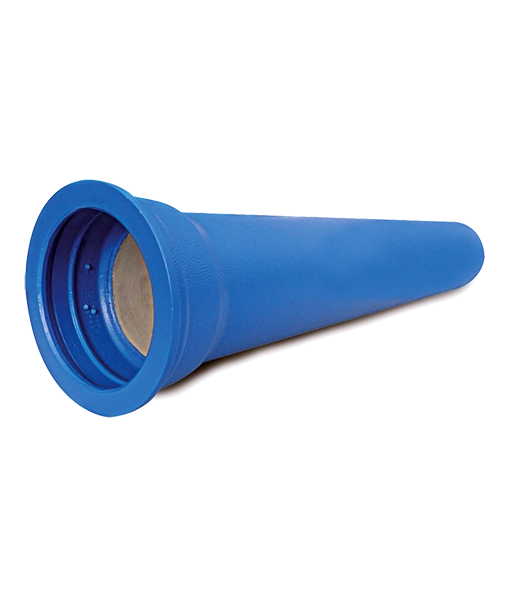
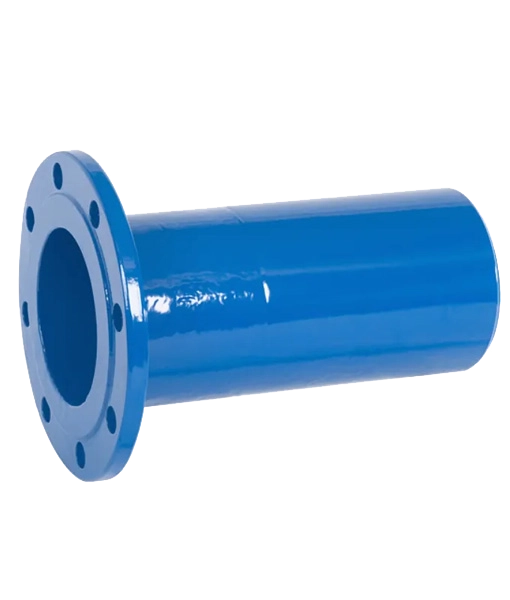
DI Spigot Pipe
Ductile Iron (DI) socket and spigot pipes are durable, flexible-joint pipes used for water transmission, sewage, and industrial applications, featuring a socket (bell) at one end and a plain end (spigot) at the other. They are commonly 5.5–6 meters long, range from DN 100 to DN 1200, and use Tyton rubber rings for leak-tight, push-on joints. These pipes are designed to handle high pressure, resist external loads, and are coated with zinc/bituminous materials for corrosion protection.
- Structure: The pipe consists of a "socket" (enlarged end) and a "spigot" (narrow end) designed to fit together, creating a secure, flexible joint.
- Joint Type: Primarily uses push-on joints with rubber gaskets, which allow for quick installation and, in some cases, joint restraint to handle thrust forces.
- Standards & Classes: Manufactured according to standards like IS:8329 or ISO:2531. Common thickness classes include K7, K8, and K9.
- Linings & Coatings: Typically lined internally with cement mortar (OPC/SRC) to prevent corrosion and tuberculation. External coatings often include zinc and bituminous paint for protection.
- Applications: Used for potable water, sewage, firefighting systems, and industrial, irrigation, and stormwater, as described by dipipesuppliers.com.
Key Benefits
- Durability: High strength and long-term, stable performance.
- Flexibility: The joint system allows for slight movement without breaking the seal.
- Ease of Installation: Push-on joints simplify the construction process, as explained by Automated Environmental Systems.